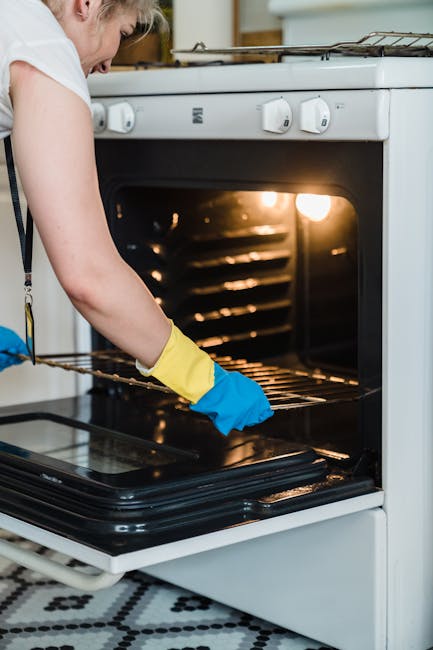
Clapham oven cleaning pricing real cost explained SW4
Posted on 26/08/2026
If you have been trying to work out Clapham oven cleaning pricing real cost explained SW4, you are probably seeing a mix of vague estimates, fixed fees, and "from" prices that do not tell the whole story. That is frustrating. Nobody wants to book a clean only to discover the final bill is higher because the oven was heavily soiled, the hob needed extra attention, or the quotation quietly assumed a single appliance type. In SW4, where homes range from compact flats to busy family kitchens, the real cost usually depends on the condition of the oven, the type of appliance, and how the service is structured.
This guide explains what affects pricing, how oven cleaning is normally charged, what you should expect in a proper quote, and how to avoid paying more than you need to. We will keep it practical, local, and plain-English. No fluff. Just the details that help you decide whether the price you have been given is fair.
- Why the real cost matters in Clapham SW4
- How oven cleaning pricing usually works
- Key benefits of paying for a proper clean
- Who this is for and when it makes sense
- Step-by-step guidance for checking value
- Expert tips for better results
- Common mistakes to avoid
- Tools, resources and recommendations
- Law, compliance, standards, and best practice
- Options and comparison table
- Case study or real-world example
- Practical checklist
- Conclusion
- Frequently asked questions
Why Clapham oven cleaning pricing real cost explained SW4 Matters
Let's face it: oven cleaning is one of those jobs most people put off until the smell, grease, or burnt-on residue becomes impossible to ignore. In a place like Clapham, where kitchens often work hard every day, the actual cost matters because a cheap-looking quote can end up being poor value if it excludes half the job. A proper oven clean is not just a quick wipe of the glass door. It can involve disassembling removable parts, degreasing trays, cleaning fans, racks, seals, and the interior cavity, then putting everything back safely.
The phrase "real cost" is important here. It means more than the headline price. It includes the time on site, the level of dirt, whether the oven is single or double, whether there is a hob or extractor to clean, and whether the cleaner charges for add-ons. In SW4, where many households juggle work, commuting, and family life, people often want something simple and predictable. Fair enough. But you only get predictability when the quote is clear.
This is also why comparing oven cleaning with other local cleaning services can help you judge value. If you already use domestic cleaning in SW4 or book a broader house cleaning service in Clapham, you may find that oven cleaning is priced separately because it needs specialist equipment and more labour than standard tidying.
Key point: the cheapest price is rarely the real cheapest price if it leaves grease behind or charges extra after the visit.
How Clapham oven cleaning pricing real cost explained SW4 Works
Most oven cleaning services in Clapham price work in one of three ways: fixed price, condition-based pricing, or add-on pricing. Each model can be fair, but each can also be confusing if the scope is not clearly described.
Fixed price means you are quoted one amount for a standard oven clean. This is easy to understand, but the question is what counts as "standard." Does it include shelves, trays, the door glass, the fan cover, and the hob? Sometimes yes, sometimes not.
Condition-based pricing means the cleaner adjusts the price after seeing how dirty the oven is. This can be fair for ovens with heavy carbon build-up, but it should be explained before work begins. If not, it can feel a bit like moving the goalposts.
Add-on pricing is where extras are charged for separate items such as a hob, extractor, BBQ tray, or additional ovens. This is common, but it needs to be laid out in advance, ideally in writing.
Here is the practical reality: the price you see online may be the entry point, not the final number. A cooker that has not been cleaned for a year may take considerably longer than a lightly used appliance. A rushed 20-minute job is not the same as a thorough clean with safe dismantling, degreasing, soaking, and reassembly. You can usually tell the difference by the finish. One leaves the oven looking respectable. The other leaves it looking newly returned from the shop. There is a difference, and you will notice it the moment the door is opened.
If you want a better sense of service standards overall, it can help to read the company's services overview and its pricing and quotes page, where the structure of the service should be easier to understand.
Key Benefits and Practical Advantages
Oven cleaning is not only about appearances, although a gleaming oven door does make a kitchen feel calmer. It also has practical benefits that are easy to miss when you are focused only on the price tag.
- Better hygiene: old grease and food residue can harbour unpleasant smells and make the kitchen feel less fresh.
- Improved cooking performance: a clean oven tends to heat more evenly and is easier to judge when cooking.
- Less smoke and odour: burnt residue can smoke during heating and make everyday cooking more annoying than it should be.
- Longer appliance life: built-up grime can affect components over time if ignored.
- Better end-of-tenancy presentation: if you are moving out, a clean oven can help avoid disputes over cleaning standards.
There is also a psychological benefit that people do not talk about enough. A clean oven changes the feel of the whole kitchen. It sounds dramatic, maybe, but it is true. Open a greasy oven and the room feels grim. Open a freshly cleaned one and the place suddenly feels easier to live in. Small thing. Big difference.
For households already managing wider cleaning priorities, combining oven cleaning with end of tenancy cleaning in SW4 or regular house cleaning in Clapham can be more efficient than booking separate visits.
Who This Is For and When It Makes Sense
This service makes sense for a lot of different people, not just those with a very dirty oven. In Clapham, we see the same patterns come up again and again.
- Busy families: ovens get used daily and grease builds up quickly.
- Renters: especially if a tenancy is ending and the inventory check matters.
- Homeowners: people who cook a lot but do not want to deal with the messy deep clean themselves.
- Landlords and letting agents: for presenting a property well between tenancies.
- Anyone preparing for guests: a proper clean helps remove lingering smells before a dinner or small get-together.
There are also times when it makes more sense to book oven cleaning as part of a bigger job. If the whole property needs attention after a party, renovation dust, or a hectic winter, it may be worth looking at domestic cleaning SW4 or even a broader reset such as office cleaning Clapham for commercial kitchens or staff areas. Different setting, same principle: match the cleaning to the actual mess.
Truth be told, if your oven has only light marks and you are comfortable doing a careful maintenance clean yourself, you may not need a full specialist visit right away. But once the grease has hardened or the glass has gone cloudy, the job usually becomes a lot more fiddly than it looks on a Saturday morning.
Step-by-Step Guidance
If you want to judge whether a quote is fair, follow a simple process. It only takes a few minutes, and it can save you from paying for extras you never agreed to.
- Identify the oven type. Single oven, double oven, range cooker, or combi style. The size changes the time and the cost.
- Check the condition honestly. Light splashes, moderate grease, or heavy carbon build-up? Be fair with yourself here. A neglected oven is not a crime, but it does affect the price.
- Ask what is included. Interior cavity, door glass, racks, trays, fan, hob, extractor, seals, and exterior panels all matter.
- Confirm whether the quote is fixed. If not, ask what could change it and when you would be told.
- Ask about access and setup. Will the cleaner need parking close by, access to hot water, or extra time for disassembly?
- Compare like for like. Do not compare a basic wipe-down to a full strip-and-clean service. That is apples and pears.
- Review policies. A clear company should be easy to understand on payment, safety, complaints, and what happens if something goes wrong. For example, payment and security and insurance and safety are worth reading before you book.
A practical tip: if a company can explain the job in a sentence or two without sounding evasive, that is usually a good sign. If they cannot explain what is included until after they arrive, your future self may not thank you.
Expert Tips for Better Results
Experienced cleaners tend to do a few things consistently well, and these habits make a difference both to the finish and to the final cost.
- Book before the oven becomes heavily burned-on. The less carbon build-up, the less labour required.
- Tell the truth about the condition. It helps the cleaner estimate properly and avoids awkward price conversations on arrival.
- Ask for a scope note. A short list of what is included can prevent misunderstandings.
- Combine jobs when sensible. A visit may be better value if the kitchen also needs carpet or upholstery attention.
- Prepare the area. Clear items around the cooker and make access easier. It sounds minor, but it helps more than people think.
If you are preparing a property for letting or resale, the kitchen often influences first impressions. You might also find it useful to read about what to know about end of tenancy cleaning in Clapham, especially if the oven is part of the move-out checklist.
One more thing: if the cleaner arrives and immediately starts talking you through the process, good. If they rush straight to "extra charges" before even looking at the appliance, that is a small warning light.
Common Mistakes to Avoid
Most pricing mistakes are avoidable, but they happen a lot. Usually because people are in a hurry, or because the quote sounded simple enough that they did not ask enough questions.
- Choosing only on headline price. Low entry prices can hide excluded parts of the job.
- Not asking about add-ons. Hob, extractor, grill pan, and extra oven sections may be charged separately.
- Assuming all "deep cleans" are the same. Some are far more thorough than others.
- Ignoring condition-related surcharges. Heavy grease, burnt sugar, or old residue can change the work involved.
- Forgetting access issues. Narrow stairwells, parking limits, and difficult layouts can matter in SW4 homes.
- Skipping the small print. Especially around cancellation, payment timing, and complaint handling.
There is a sensible middle ground here. You do not need to interrogate every cleaner like a barrister. But you should ask the awkward little questions upfront. That is just smart. And to be fair, a reputable cleaner will not mind.
If hidden charges are a concern more broadly, this article on avoiding hidden charges in Clapham cleaning is a useful companion read.
Tools, Resources and Recommendations
You do not need specialist equipment to understand oven cleaning value, but a few simple tools and references help you make a better decision.
- Your own checklist: note the oven type, visible condition, and any extras you want cleaned.
- Photos before booking: useful if you want a remote estimate and a record of the oven's condition.
- Written quote: even a short message or email is better than a verbal price you may later misremember.
- Service pages: review the cleaner's broader offering, such as carpet cleaning in Clapham and upholstery cleaning in Clapham, if you want to bundle services sensibly.
For anyone comparing a full household refresh, the best starting point is usually the company's own explanation of what it does and how it prices work. A clear, practical overview can tell you more than a shiny slogan ever will. If you want a wider view of the business before booking, the about us page can also help you judge how the company presents itself and what sort of standard it aims to maintain.
Law, Compliance, Standards, or Best Practice
Oven cleaning is not a heavily regulated service in the way some technical trades are, but there are still basic standards and good practice points that matter. A trustworthy cleaner should be clear about safety, insurance, fair trading, and how complaints are handled. That is the kind of boring detail people skip until something goes wrong. Then it matters a lot.
In practical terms, you want a provider that treats your home carefully, uses suitable products, and works safely around heat, glass, and electrical components. If dismantling is involved, it should be done in a controlled way, with proper reassembly afterwards. A cleaner should also be transparent about what happens if a seal, bulb, or component is already fragile before the work begins. That sort of caution is not overkill. It is sensible.
For customers in SW4, especially tenants and landlords, it is wise to keep a record of the clean and the price agreed. Written confirmation can prevent disputes later. If you are dealing with a move-out clean, this becomes even more relevant because oven condition is often one of those little points that can cause unnecessary friction.
Best practice also includes:
- clear quoting before attendance
- reasonable explanation of any surcharge
- careful handling of appliance parts
- transparent complaints process
- appropriate insurance and safety procedures
If a company publishes its rules and service standards clearly, that is usually a good sign. You may not need to read every policy end to end, but the important ones should be easy to find and understand.
Options, Methods, or Comparison Table
Here is a straightforward comparison of the main oven cleaning options you are likely to come across in Clapham SW4.
| Option | Best for | Typical strengths | Possible drawback |
|---|---|---|---|
| Basic wipe-clean service | Lightly used ovens with minor marks | Lower cost, quick visit | May not remove stubborn grease or hidden residue |
| Full deep oven clean | Most homes and tenancy resets | Better finish, more thorough | Costs more than a basic clean |
| Oven plus hob or extractor clean | Kitchens needing a proper reset | More complete result in one visit | Extras can raise the price if not agreed early |
| Combined household clean | Busy households, end of tenancy, move-in jobs | Convenient and often better value overall | Requires a wider budget and longer appointment |
In most cases, the real decision is not "cheap or expensive." It is "what level of result do I actually need?" If you are moving out, the answer may be a full deep clean. If you are simply keeping on top of maintenance, a lighter service might do the job. Matching the clean to the situation is where the savings happen.
People often ask whether it is better to book oven cleaning on its own or alongside other household tasks. If the kitchen is only problem area, standalone makes sense. If the whole place needs attention, a wider service can be more efficient. There is no single right answer. It depends on time, budget, and how much you want off your plate.
Case Study or Real-World Example
Picture a typical Clapham flat kitchen on a Friday afternoon. The oven has been used for roasts, tray bakes, and the odd quickly-burnt lasagne. The glass is cloudy, the racks are sticky, and there is a faint smell every time the oven is switched on. The homeowner has seen two quotes: one low price that says "oven clean," and one slightly higher price that lists the interior, racks, door glass, and fan area.
The cheaper quote looks tempting. Naturally. But after asking a few questions, it becomes clear that the lower price only covers the visible surfaces and excludes the burnt residue inside the door and around the fan cover. The slightly higher quote, by contrast, explains the full scope and includes the parts that actually matter. In the end, the second option is the better value because it solves the problem properly and avoids a second booking later.
That kind of situation comes up all the time. The final bill is not just about numbers. It is about whether the job solves the mess, the smell, and the stress. And honestly, when you are staring at an oven that looks like it has survived a small kitchen apocalypse, a clear quote is worth its weight in gold.
For people who are also dealing with a tighter move schedule, a wider cleaning plan such as same-day deep cleaning in Clapham Junction SW4 can be helpful when timing is everything.
Practical Checklist
Use this checklist before you book. It keeps things simple and helps you compare quotes properly.
- Do I know the exact type of oven I have?
- Have I described the condition honestly?
- Do I know what the quote includes?
- Are extras such as hob, extractor, trays, or double oven sections listed clearly?
- Is the price fixed or likely to change?
- Have I checked the company's payment and safety information?
- Do I have the quote in writing?
- Am I comparing similar levels of service?
- Do I understand the cancellation or rescheduling terms?
- Would this be better booked alongside another cleaning task?
If you can tick most of those boxes, you are already ahead of the average customer. Seriously. A lot of pricing confusion disappears when the job is defined properly from the start.
Get a free quote today and see how much you can save.
Conclusion
The real cost of oven cleaning in Clapham SW4 is not just the number on a website. It is the combination of scope, condition, appliance type, and clarity. Once you understand those pieces, pricing becomes much easier to judge. You can compare quotes properly, avoid hidden extras, and choose the level of service that actually fits your kitchen.
If you remember one thing, make it this: the best value is usually the cleaner who explains the job clearly, not the one who shouts the lowest price. A straightforward quote, a careful clean, and no surprises afterwards - that is what most people really want. And fair enough, too.
When the oven is done right, the whole kitchen feels lighter. Cleaner. More yours. That small bit of relief is often worth a lot more than the headline price.