Health and Safety Policy for Cleaners SW4
Health and safety is central to every cleaning service in SW4, because safe working practices protect cleaners, clients, visitors, and property.  This policy sets out the standards expected from our team when carrying out domestic and commercial cleaning tasks, with a clear focus on preventing accidents, reducing risk, and maintaining a professional working environment.
Our approach to safe cleaning operations is built on preparation, awareness, and responsibility. Each cleaner is expected to assess the space before work begins, identify hazards, and follow procedures that keep tasks controlled and efficient. This includes using equipment correctly, handling cleaning chemicals carefully, and maintaining tidy work areas at all times.
 We believe that good health and safety management is not only about avoiding injury, but also about creating confidence in the way work is carried out. By applying sensible precautions and consistent methods, our cleaners in SW4 can complete every assignment with minimal disruption and a strong respect for the surroundings.
The first step in any cleaning job is a basic risk check. This means noticing potential issues such as wet floors, trailing cables, fragile items, poor lighting, blocked access routes, or areas with limited ventilation. If a hazard cannot be reduced safely, the cleaner must pause the task and seek a safer method before continuing. This is especially important in shared spaces and occupied properties.
All SW4 cleaners must use personal protective equipment where needed. Gloves, aprons, and suitable footwear help reduce exposure to chemicals, dirt, and sharp or slippery surfaces. PPE should be kept clean, inspected regularly, and replaced when damaged. The correct use of protective items supports both hygiene and safety while helping to maintain high standards of service.
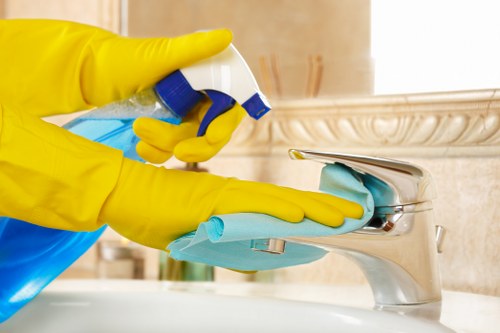 Cleaning products must be stored, labelled, and used according to instructions. Never mix chemicals unless the product guidance specifically allows it, as harmful reactions can occur. Decanting into unmarked containers should be avoided. In addition, cleaners must understand the difference between routine detergents and stronger products that require extra caution, especially on sensitive surfaces or in enclosed areas.
Manual handling is another key part of this policy. Cleaners should use safe lifting techniques when moving vacuum machines, waste bags, supplies, or furniture where permitted. Items should be carried in manageable loads, and heavy or awkward objects should be moved with assistance whenever possible. Good posture and controlled movements help prevent strains and long-term injuries.
Electrical safety is equally important. Equipment must be checked before use, and any sign of damage such as frayed cables, loose plugs, or unusual noise should be reported immediately and the item taken out of service. Water and electricity must never be allowed to come into unsafe contact. When using powered tools, cleaners should keep hands dry and work carefully around sockets and leads.
To support a safe working environment, our team follows a strong housekeeping standard. Floors should be kept as clear as possible, waste should be removed promptly, and cleaning tools should be returned to their proper place after use.  This reduces trip hazards, helps tasks run smoothly, and makes it easier to maintain control during busy cleaning periods.
Infection control and personal hygiene are essential across all cleaning services. Cleaners should wash or sanitise their hands regularly, especially after handling waste, toilets, or contaminated materials. Surfaces that may carry bacteria or viruses should be cleaned using appropriate methods, and cloths or mop heads should be changed frequently to avoid spreading contamination from one area to another.
Working at height requires particular care. If a task involves reaching above shoulder level or using a step stool, the equipment must be stable, suitable, and used correctly. Cleaners should never overreach or improvise with unsafe items such as chairs or boxes. Where a task cannot be completed safely, an alternative method should be chosen instead of taking unnecessary risks.
Communication also plays a major role in safe practice. Clear reporting helps identify issues early, including near misses, defective equipment, spillages, or unexpected site conditions. Supervisors and cleaners should share information promptly so that action can be taken without delay. A strong reporting culture supports ongoing improvement and helps prevent repeated problems.
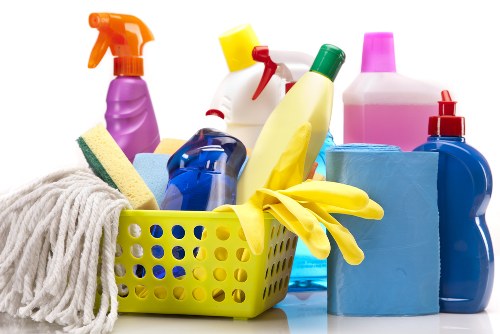 Training and supervision are fundamental to keeping standards high. Every cleaner should understand the correct way to use equipment, apply products, manage waste, and respond to incidents. Refresher training should be provided when procedures change or when new risks are introduced. Ongoing supervision ensures that safe habits remain consistent and that any unsafe practice is corrected quickly.
Emergency readiness is part of responsible cleaning work. Staff should know what to do in the event of a fire, accident, chemical exposure, or injury. This includes following site instructions, leaving the area safely if required, and reporting the incident as soon as possible. First aid arrangements and emergency procedures must always be respected, even during routine cleaning visits.
Our commitment to safe cleaner operations in SW4 is based on prevention, care, and professionalism. By following this policy, cleaners can protect themselves and others while delivering a reliable and high-quality service. Health and safety is treated as an everyday responsibility, not a separate task, and every member of the team is expected to contribute to that standard.