Eco upholstery cleaning Clapham reuse donate textiles locally
If you are trying to freshen up a tired sofa, cut down on waste, and make sure old textiles in Clapham are reused or donated locally rather than tossed out, you are in the right place. Eco upholstery cleaning Clapham reuse donate textiles locally is really about a smarter, more responsible way of looking after fabric furniture and soft furnishings. You clean what can be saved, repair what makes sense, and pass on usable textiles to local reuse channels whenever possible.
That sounds simple enough, but in real life it can be a bit messy. A cushion cover might look beyond help at first glance, then clean up beautifully. A sofa seat may need deep cleaning before anyone can decide whether it should stay, be reupholstered, or be moved on. And let's face it, most of us do not want more landfill-bound fabric clutter sitting around in the spare room. This guide walks through the practical side of the process: what eco upholstery cleaning actually involves, when reuse makes sense, how donation fits in, and how to make good decisions locally in Clapham without overcomplicating it.
Along the way, you will also find a realistic step-by-step approach, common mistakes to avoid, a comparison of options, and a checklist you can use before you book a clean or decide what to keep. It is the kind of information that helps when you are standing in front of a grubby armchair with a mug of tea in one hand and a mild sense of guilt in the other.
Table of Contents
- Why Eco upholstery cleaning Clapham reuse donate textiles locally Matters
- How Eco upholstery cleaning Clapham reuse donate textiles locally Works
- Key Benefits and Practical Advantages
- Who This Is For and When It Makes Sense
- Step-by-Step Guidance
- Expert Tips for Better Results
- Common Mistakes to Avoid
- Tools, Resources and Recommendations
- Law, Compliance, Standards, or Best Practice
- Options, Methods, or Comparison Table
- Case Study or Real-World Example
- Practical Checklist
- Conclusion
- Frequently Asked Questions
Why Eco upholstery cleaning Clapham reuse donate textiles locally Matters
Upholstery is one of those things people often forget about until it starts looking a bit sad. Yet sofas, dining chairs, headboards, armchairs, footstools, and cushions all carry a surprising amount of dust, oils, crumbs, pet hair, and daily wear. A good eco clean can extend the life of these items and reduce the need to replace them sooner than necessary. That matters because every item kept in use for longer is one less thing heading to landfill or requiring new materials to replace it.
In Clapham, where homes are often busy, compact, and constantly in motion, this practical approach makes even more sense. You might be dealing with rental turnover, family mess, pet-related wear, or simply the kind of everyday grime that builds up when life is full. If a sofa or chair still has solid structure, it often deserves a second chance. Clean it well, assess it honestly, and then decide whether it stays in the home, gets re-homed, or can be donated through a local reuse route.
There is also a quieter benefit that people do not always mention. A cleaner home feels lighter. Not pristine-showroom light, just calmer. Less sticky armrest, less mystery smell, less feeling that the room has been carrying last winter around with it. Truth be told, that kind of reset can do a lot for how a space feels.
And from a sustainability point of view, reuse is usually better than disposal when the item is still serviceable. If a cushion or throw is still good enough for another household, why not let it keep doing useful work? That is the heart of it.
How Eco upholstery cleaning Clapham reuse donate textiles locally Works
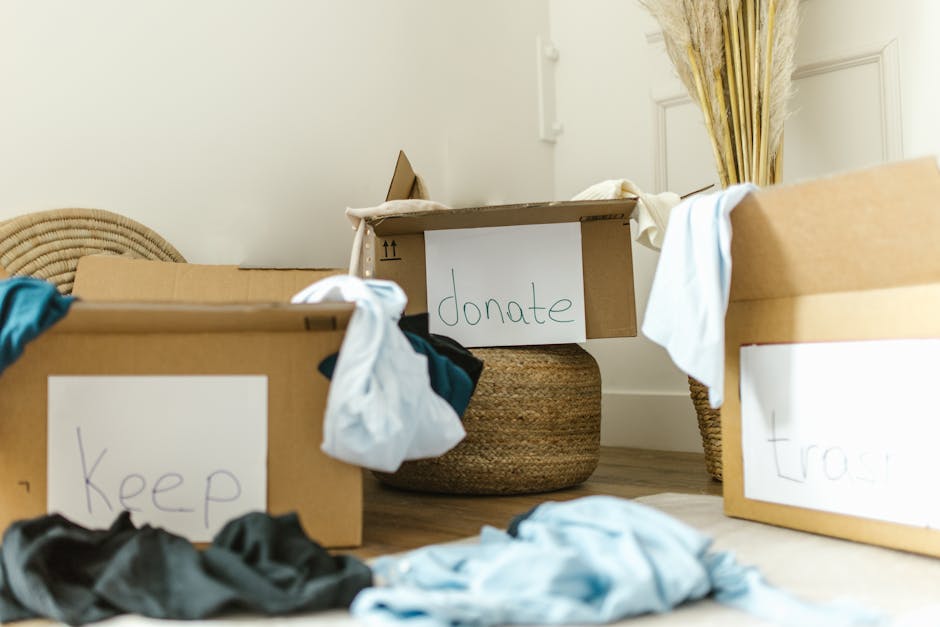
The process usually starts with sorting. Before anything is cleaned, you identify what is genuinely worth keeping, what needs treatment, and what may be better suited to donation or responsible disposal. That first sort is more important than people realise. It stops you spending time and money on items that are too damaged, while also preventing good textiles from being discarded too quickly.
Eco upholstery cleaning itself uses methods designed to reduce unnecessary water, harsh residues, and excessive product use. In practice, that might mean low-moisture extraction, targeted stain treatment, fabric-safe detergents, or careful hand-cleaning on delicate items. The right method depends on the material, the construction of the furniture, and the level of soilage. Velvet is not treated like microfiber. Linen does not behave like a synthetic blend. Obvious in theory, but easy to get wrong if you rush.
Once the upholstery has been assessed and cleaned, the reuse question comes next. If an item is structurally sound and hygienic after cleaning, it may be a candidate for re-homing locally. If not, parts of it may still be salvageable. Covers, cushion inserts, and textile components can sometimes be separated, depending on condition and construction. A sofa with a broken frame is a different story from one with marked but perfectly usable fabric. The material may still have life in it.
Local donation works best when items are clean, presentable, and genuinely useful. That can mean passing textiles on to a community reuse route, donation point, or local charity channel where accepted. Do check acceptance criteria first. Not every organisation takes every item, and to be fair, some are rightly strict about hygiene, fire damage, pet contamination, or severe staining.
Here is the basic rhythm:
- Inspect the item carefully.
- Clean it using the least harsh effective method.
- Dry it properly so no hidden damp remains.
- Decide whether it should stay, be repaired, be reused, or be donated.
- Pass on usable textiles locally through the right channel.
It is not glamorous work, but it is sensible. And sensible often wins.
Key Benefits and Practical Advantages
The biggest advantage is straightforward: you get more life out of what you already own. Upholstered furniture is expensive to replace, and textiles are resource-intensive to manufacture. So even a modest extension of service life has a real impact. You also tend to save money by cleaning and repairing first rather than replacing immediately.
There are some practical day-to-day gains too. Cleaner upholstery usually means:
- fewer odours lingering in the room
- less visible grime on arms, cushions, and seams
- better presentation for guests, tenants, or buyers
- reduced allergen build-up on fabric surfaces
- a better chance of reusing items instead of binning them
Then there is the environmental angle. Reuse and donation keep usable textiles circulating for longer. That helps reduce the volume of soft furnishings that end up discarded before they are fully exhausted. It is not about pretending one sofa clean changes the world. It does not. But across a home, a block, or a neighbourhood, these small decisions stack up.
There is also a less obvious benefit: better decision-making. Once you get used to assessing items carefully, you stop throwing away things too early. A mark on the seat cushion might look dramatic under a bright lamp at 9 p.m., but after professional cleaning it may barely be noticeable. That can save money, time, and a bit of unnecessary guilt.
Expert summary: the best eco upholstery decisions usually come from doing three things well: assess honestly, clean gently but thoroughly, and reuse or donate only what is still safe, clean, and useful. That simple framework prevents a lot of waste.
Who This Is For and When It Makes Sense
This approach is useful for a lot of people, but especially for anyone in Clapham managing a busy home, a rental property, or a small business with upholstered seating. If you are a tenant preparing for a move, a landlord getting a flat ready, or a homeowner trying to restore a sofa rather than replace it, eco cleaning plus reuse planning makes practical sense.
It also suits people who are trying to make more sustainable choices without turning life into a project. You do not need to become a textile expert. You just need a workable process. For example, if a dining chair set has one badly stained seat and three perfectly good ones, cleaning and sorting may allow you to keep the best pieces in use and donate the still-serviceable extras after they have been handled properly.
It makes particular sense when:
- the furniture is structurally sound
- the fabric is not severely damaged
- you want to reduce replacement costs
- you are decluttering responsibly
- you want to avoid sending usable textiles to waste
There are times it does not make sense too. If there is deep water damage, mould growth, infestation, or severe contamination, the honest answer may be disposal rather than reuse. No amount of optimism fixes a compromised item. Sorry, but that is the truth of it.
If you are unsure, a practical inspection is usually the best next step. Press the fabric, check seams, smell for hidden damp, and look at the base and frame as well as the visible surface. The visible surface never tells the whole story.
Step-by-Step Guidance
If you want to approach the job properly, start with a calm, structured process. Rushing usually leads to one of two things: over-cleaning or under-thinking. Neither helps.
1. Sort the items first
Separate textiles into three groups: keep and clean, repair and reassess, or donate if suitable. This is where you decide whether a fabric item still has enough life left to justify the cleaning effort. A little judgement here goes a long way.
2. Identify the fabric
Check the care label if available, and note the material type. Natural fibres, synthetics, blends, velvet, and textured weaves all behave differently. If you are unsure, test a hidden patch. It is boring advice, yes, but the kind that saves headaches later.
3. Remove loose dirt
Vacuum slowly and use the correct attachment. Get into seams, piping, under cushions, and the back corners where crumbs and dust love to hide. You will often find that a surprisingly large amount of surface dullness is just loose debris. Lovely, really.
4. Treat stains carefully
Spot-treatment should match the stain and fabric. Grease, food marks, pet accidents, and drink spills all need slightly different handling. Avoid scrubbing aggressively. That can push the stain deeper or rough up the pile of the fabric.
5. Use the gentlest effective cleaning method
Eco upholstery cleaning often means using less water and milder products, not doing less work. The aim is a thorough clean with controlled moisture and a shorter drying cycle. That matters in a real London home where you do not want a damp sofa sitting around until Thursday.
6. Dry fully
Drying is not a side note. It is part of the clean. Keep windows open if conditions allow, use ventilation, and avoid putting covers back on too early. Hidden moisture can create odour or damage that was not there before.
7. Reassess for reuse or donation
Once clean, review the item again. Is it presentable? Safe? Useful? If yes, it may be suitable for local reuse or donation. If no, consider whether parts can still be salvaged.
A small but useful habit is to take one final look in daylight the next morning. Evening lighting can flatter almost nothing. Morning light tells the truth.
Expert Tips for Better Results
There are a few details that make a surprisingly big difference. First, do not wait until the fabric is visibly bad before dealing with it. Regular light maintenance is far easier than rescuing a heavily soiled armchair. A quick vacuum and targeted spot treatment now and then can keep items in good condition long enough to be reused later.
Second, match the method to the item. That sounds obvious, but people do get tempted to use the same cleaner on everything. A delicate weave, for example, may need a different approach from a robust synthetic sofa cover. If you force one method onto every fabric, you may get a result, but not always a good one.
Third, think in terms of reuse from the start. If you know an item may be donated later, keep the cleaning process gentle and preservation-minded. That means avoiding over-wetting, avoiding harsh residue, and handling cushions or covers with care. Clean items are more likely to be accepted for reuse, and they feel better to the next household too.
Fourth, keep an eye on odour as well as appearance. A fabric can look fine and still carry hidden smells from pets, smoke, or damp. Odour is often the thing that stops an item being reused locally. It is not always visible, but people notice it immediately.
Finally, be realistic about finish. Not every item needs to look brand new. That mindset can lead to over-cleaning, fabric stress, and disappointment. A properly refreshed sofa with honest signs of age is still a good sofa. Sometimes that slightly lived-in look is exactly what a home needs.
Common Mistakes to Avoid
One common mistake is cleaning before sorting. If you do not first decide whether an item is worth saving, you can waste time and product on something that should have been passed on, repaired, or responsibly removed.
Another mistake is using too much moisture. With upholstery, more water is not automatically better. Excess moisture can leave the item smelling musty, extend drying time, or affect the backing and fillings. A sofa that feels dry on the surface can still be damp inside. Sneaky, that.
People also sometimes ignore fabric type. This is where damage creeps in. A strong-looking textile is not always forgiving. Pile flattening, dye transfer, shrinkage, and texture change can happen if the wrong method is used.
Other mistakes include:
- forgetting to vacuum first
- scrubbing stains too hard
- skipping a hidden patch test
- donating items that are not actually clean enough
- failing to dry the item completely before reuse
One more thing: do not donate out of convenience if the item is unsuitable. Passing on a badly damaged or unhygienic textile only shifts the problem somewhere else. That is not reuse. That is offloading.
Tools, Resources and Recommendations
You do not need an entire kit shop to manage upholstery well. A practical set of tools usually covers most jobs:
- a vacuum with upholstery attachments
- soft brushes for loose soil
- microfibre cloths
- fabric-safe spot treatments
- clean towels for blotting
- good ventilation and drying time
For larger or more delicate jobs, professional upholstery cleaning is often the safer choice. That is especially true for expensive fabrics, stubborn odours, or furniture that you may want to keep in the home or donate afterwards. If you need broader household support too, it can be useful to look at related services such as sofa cleaning, upholstery cleaning, or even deep cleaning when the whole room needs a reset.
If the item has pet-related marks or lingering smells, a specialised approach matters more than people think. A regular surface clean may improve appearance but fail to address the underlying issue. In those cases, a service like pet stain odour removal can be the difference between something being reusable and something being awkwardly avoided by everyone.
Sometimes your decision is tied to a wider refresh. If the furniture is part of a full home clean-up before a move, a one-off event, or a rental handover, related services such as one-off cleaning, move-out cleaning, or end of tenancy cleaning can fit into the same plan. That way you are not cleaning in isolation; you are preparing the space properly.
For people looking at the bigger sustainability picture, the site's recycling and sustainability information is also relevant. It helps frame textile reuse as part of a wider responsible-cleaning mindset rather than a one-off gesture.
Law, Compliance, Standards, or Best Practice
When textile reuse and donation are part of your cleaning decision, the most important compliance point is simple: only pass on items that are safe, clean, and honestly represented. If an item is damaged beyond reasonable reuse, contaminated, or not hygienic, it should not be donated as though it were ready for another home. That is a basic best-practice standard, even before you get into any formal policy.
For households, the legal side is usually more about general care, honest description, and safe handling than about complex rules. For landlords, businesses, and managed properties, you may also need to consider duty of care, waste handling, insurance expectations, and tenancy or handover standards. In those settings, it is sensible to document condition, cleaning carried out, and any items removed for reuse or disposal.
It is also wise to think about product safety. Use cleaning materials according to their instructions, keep them away from children and pets, and ventilate properly. That is just ordinary good practice, but it matters. If you are cleaning delicate fabrics or dealing with heavy contamination, professional support is often the more sensible option.
From a business perspective, transparent processes matter too. If you are operating a rental, hospitality, or office environment, it helps to align upholstery care with your broader cleaning and safety policies. That is where a page like insurance and safety can be relevant, because it reflects the sort of due diligence people expect when professionals are involved.
If a complaint or issue arises around service quality, bookings, or expectations, having a clear process matters. That is why documented terms and service policies are useful, even if most days nobody wants to read them. On a practical level, they stop misunderstandings before they start.
Options, Methods, or Comparison Table
Different upholstery situations call for different approaches. Sometimes a careful home clean is enough. Sometimes you need professional extraction. Sometimes an item is worth reusing, and sometimes the sensible move is to part it out and donate only the salvageable bits. The right answer depends on fabric, condition, and what you want the item to do next.
| Approach | Best for | Pros | Limitations |
|---|---|---|---|
| Light home maintenance | Routine dust, light marks, general upkeep | Low cost, fast, good for prevention | Not enough for deep staining or odours |
| Eco professional upholstery cleaning | Soiled sofas, chairs, cushions, delicate fabrics | More thorough, fabric-aware, better drying control | Requires booking and some downtime |
| Repair then reuse | Items with minor wear, loose seams, or worn covers | Extends lifespan, may increase donation suitability | Not ideal if the frame or core structure is poor |
| Donate locally | Clean, safe, presentable textiles and furniture parts | Supports reuse, reduces waste, helps local circulation | Acceptance depends on condition and local criteria |
| Responsible disposal | Contaminated, broken, or unsalvageable items | Removes unusable material safely | Least sustainable option, so best used only when necessary |
In many homes, the best path is actually a combination. Clean first, repair where reasonable, then donate what is still genuinely useful. That sequence avoids waste and gives you a clearer picture of what is worth keeping.
Case Study or Real-World Example
A fairly typical Clapham scenario goes like this. A family has a three-seater sofa and two armchairs that have seen a lot of school runs, weekend visitors, and the odd snack-related incident. The fabric is dull, there are a few visible marks, and the cushions have lost that fresh feel. The furniture is not broken, just tired.
They start by checking each item. One armchair has a loose seam but is otherwise fine. The sofa has surface soiling and a noticeable patch where drinks have been spilled over time. One smaller accent cushion is too worn to keep in the main room, but the cover itself is still intact. Instead of replacing the whole set, they clean it properly, repair the seam, and reassess after drying.
The result? The sofa becomes perfectly serviceable again. One armchair is kept in the living room. The second armchair is clean enough to be passed on through a local reuse route, while the cushion cover is saved for a different project. Nothing dramatic happened. No magic. Just careful sorting and sensible cleaning. But the family avoided unnecessary replacement, kept textiles in use longer, and reduced waste. That is the kind of outcome eco upholstery cleaning is really aiming for.
And yes, the room smelled better too. Not perfume-better. Just properly fresh. There is a difference.
Practical Checklist
Use this before you book a clean, donate textiles, or decide whether an upholstered item should stay in the home.
- Inspect the structure: check frames, legs, seams, and support before focusing on the fabric.
- Identify the material: look for care labels or test discreetly if labels are missing.
- Vacuum thoroughly: remove dust, crumbs, pet hair, and loose debris first.
- Test a hidden patch: confirm the cleaning method will not damage colour or texture.
- Choose the gentlest effective method: avoid harsh products unless the fabric clearly allows them.
- Dry fully: make sure the item is dry inside and out before use or donation.
- Check odour: if a smell remains after cleaning, reassess suitability for reuse.
- Confirm donation criteria: only pass on items that are clean, safe, and accepted locally.
- Document condition if needed: useful for rentals, landlords, or business settings.
- Dispose responsibly when needed: do not force reuse where safety or hygiene is poor.
Quick practical takeaway: if the item is structurally sound, cleanable, and still useful, reuse or donate locally. If not, be honest about it and move on. That honesty saves time and usually leads to better outcomes.
Get a free quote today and see how much you can save.
Conclusion
Eco upholstery cleaning Clapham reuse donate textiles locally is not a complicated slogan once you strip it back. It is about giving fabric furniture a better life, keeping useful textiles in circulation, and avoiding waste where a little care can still make a difference. Clean first. Judge fairly. Reuse what still has value. Donate what meets the standard. And let go of what truly does not.
The best results usually come from sensible choices, not dramatic ones. A well-cleaned sofa, a repaired chair, a reused cushion cover, a local donation that genuinely helps someone else - these are small wins, but they matter. They make your home easier to live in and your decisions easier to feel good about.
If you are standing there unsure whether to keep, clean, pass on, or replace something, that is normal. Start with the fabric in front of you, not the whole world. The rest tends to follow.
Frequently Asked Questions
What does eco upholstery cleaning actually mean?
It usually means cleaning upholstery in a way that reduces unnecessary water use, harsh chemical residue, and waste. The aim is still a proper clean, just with a gentler and more responsible approach to the fabric and the environment.
Can cleaned upholstery really be donated locally?
Yes, if it is clean, safe, and in good enough condition for another household or organisation to use. Donation acceptance depends on the item's condition and the receiving organisation's rules, so it is always worth checking first.
How do I know whether a sofa is worth cleaning or replacing?
Look at the frame, suspension, fabric condition, and smell. If the structure is sound and the damage is mainly surface-level, cleaning often makes sense. If there is serious structural damage, mould, or contamination, replacement may be the more practical choice.
Is eco upholstery cleaning better for delicate fabrics?
It can be, because the best eco methods are often lower-moisture and more controlled. That said, delicate fabrics still need a fabric-specific approach. Gentle does not mean careless.
What should I do before sending textiles for donation?
Clean them properly, dry them fully, and check they are free from obvious damage, odour, or contamination. Then confirm the donation point accepts the type of textile you want to pass on.
How long does upholstery take to dry after cleaning?
Drying time depends on the fabric, room ventilation, weather, and cleaning method. A low-moisture process usually dries faster than a wetter one, but it is best to allow proper time rather than rush the furniture back into use.
Can pet stains be removed well enough for reuse?
Sometimes yes, especially if the stain is treated quickly and the fabric is suitable. The challenge is not just the mark itself but any lingering odour. If the smell remains, the item may not be suitable for reuse or donation.
What fabrics are hardest to keep in reusable condition?
Natural fibres, textured weaves, velvet, and some blended fabrics can be more sensitive to moisture, friction, or colour transfer. They are not impossible to maintain, just more likely to need careful handling.
Does local reuse always mean charity donation?
No. Local reuse can also mean passing items to friends, family, neighbours, community groups, or reuse channels that accept clean, usable textiles. Donation is one option, but not the only one.
Are there signs an upholstered item should not be donated?
Yes. Strong persistent odour, mould, severe staining, infestation, broken frames, or heavy contamination are all warning signs. If the item would be awkward or unsafe for someone else, it should not be treated as donation-ready.
What is the biggest mistake people make with upholstery reuse?
Probably assuming something is reusable just because it looks okay at a glance. A proper inspection matters. Hidden damp, odour, or fabric damage can change the picture very quickly.
Where do related cleaning services fit into this?
They fit in when the upholstery is part of a bigger reset. Services like sofa cleaning, upholstery cleaning, deep cleaning, or pet stain odour removal can help prepare items for continued use or local reuse in a more reliable way.