Clapham carpet cleaning near Clapham Common SW4
Posted on 20/06/2026
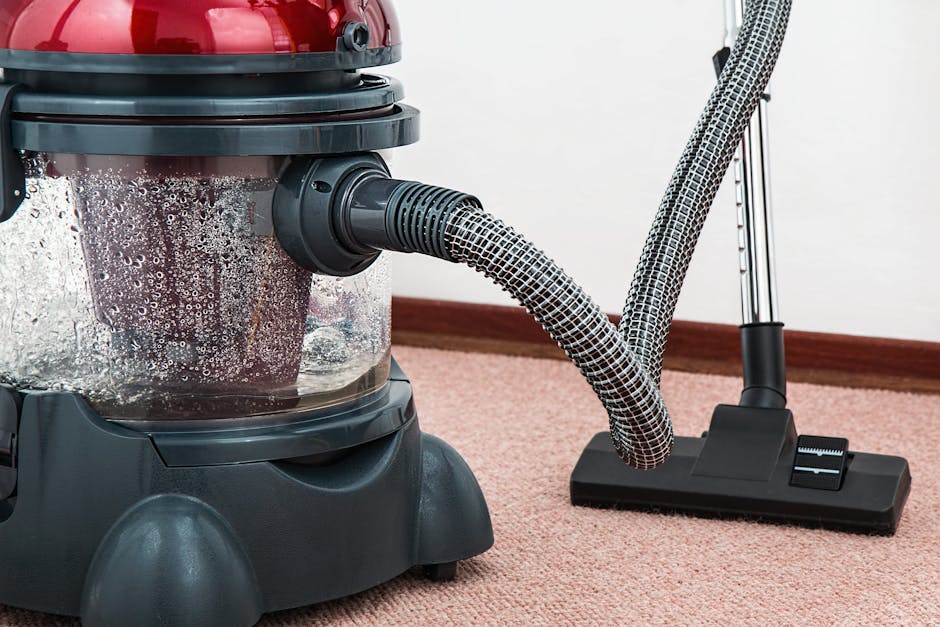
Clapham carpet cleaning near Clapham Common SW4: a practical local guide
If you're looking into Clapham carpet cleaning near Clapham Common SW4, you're probably dealing with one of three things: tired-looking carpets, a stain that keeps catching your eye, or a property that needs to feel properly fresh again. Maybe it's a busy family flat, a rental between tenancies, or a home that just gets a lot of foot traffic after a long week. Whatever the reason, carpets around Clapham Common take a fair bit of wear. Mud from the park, summer dust, winter moisture, pet hair, post-party spillages - it all adds up.
This guide explains what professional carpet cleaning actually involves, when it makes sense, what to expect, and how to avoid the common mistakes that leave carpets wet, marked, or still not quite right. It also covers practical decisions for homes, landlords, and local businesses in SW4, so you can choose the right approach without faffing about.
Why Clapham carpet cleaning near Clapham Common SW4 matters
Clapham Common is one of those places where daily life and outdoor living overlap. People walk dogs, run through the park, pop into cafes, host friends, and bring that outdoor traffic straight back home. So carpets in this part of SW4 tend to collect more than visible dirt. Fine grit works its way into the pile. Shoes bring in moisture and soil. High-use hallways flatten early. And in flats, one spill can linger a lot longer than you'd like.
That's why carpet cleaning here is not just about making things look nicer for a day. It's about protecting the carpet fibres, reducing embedded grime, and keeping the home feeling comfortable. If you've ever noticed that a room smells clean but not quite clean-clean, the carpet is often the reason. To be fair, carpets are a bit unfairly blamed for everything, but they do hold onto a lot.
There's also a local property angle. In Clapham, presentation matters. A well-kept carpet helps a flat feel brighter, a rental feel cared for, and a home feel more settled. If you're preparing for guests, a sale, a new tenancy, or just trying to reset a room after a hectic month, a proper deep clean can change the mood of the space quickly.
For a broader view of service options in the area, you may also want to see the company's carpet cleaning Clapham service and the wider services overview.
How Clapham carpet cleaning near Clapham Common SW4 works
Professional carpet cleaning usually starts with a quick inspection. That sounds basic, but it matters. A good cleaner needs to know the carpet fibre type, the level of soiling, where the stains are, and whether there are any areas that need extra caution. Wool, synthetic blends, and older carpets all behave differently when moisture and cleaning solutions are introduced.
Most jobs then follow a fairly sensible sequence:
- Pre-inspection - the cleaner checks the carpet condition, identifies stains, and notes any traffic lanes or delicate sections.
- Dry soil removal - loose debris is vacuumed away first, because cleaning sludge into a carpet is, frankly, not the goal.
- Pre-treatment - targeted products are applied to stains, high-traffic areas, and greasy marks.
- Agitation or dwell time - the solution is worked in or left to break down dirt properly.
- Deep cleaning - this may involve hot water extraction, low-moisture cleaning, or a method matched to the carpet type.
- Rinsing and residue removal - important for leaving the carpet soft rather than sticky.
- Drying guidance - the cleaner should tell you how long to avoid heavy foot traffic and what ventilation helps.
Hot water extraction is often preferred for heavily used residential carpets because it can lift embedded dirt effectively. Low-moisture methods can be useful when drying time needs to be shorter. There isn't one magic answer for every carpet, which is why a proper assessment is worth more than a quick quote that sounds too neat.
In real life, the difference between a decent clean and a great one often comes down to preparation and restraint. Using too much solution, for example, can leave residue that attracts more dirt later. That's the kind of thing people only notice a week later, usually after wondering why a "cleaned" carpet seems to dull again. Annoying, yes.
Key benefits and practical advantages
There's more to carpet cleaning than the immediate before-and-after effect. The real value tends to show up in daily use, and that's where the decision usually gets easier.
- Better appearance: Freshly cleaned carpets lift a room instantly, especially in smaller Clapham flats where natural light does a lot of the visual work.
- Odour reduction: Carpets trap smells from pets, cooking, damp shoes, and general everyday life. Cleaning helps reset the room.
- Fibre care: Regular deep cleaning can help reduce long-term wear by removing abrasive grit.
- Stain management: Early treatment of spillages is often more effective than waiting and hoping. Hope is not, in fairness, a stain-removal plan.
- Healthier feel: While carpet cleaning is not a medical service, removing dust and debris can make a home feel fresher and easier to live in.
- Property presentation: Useful for landlords, tenants, sales viewings, and anyone wanting a room to look looked after.
For many households near Clapham Common, one of the quiet advantages is simply peace of mind. You stop mentally avoiding the patch near the sofa. You stop thinking, "I should really sort that." And that is a small but meaningful quality-of-life win.
If your cleaning needs stretch beyond carpets, it can help to compare with domestic cleaning SW4, house cleaning in Clapham, or even upholstery cleaning Clapham if your sofas and chairs are part of the same refresh.
Who this is for and when it makes sense
This service suits a lot of different people, and not just the obvious ones. Some homes need it seasonally. Others need it after a specific event. Some properties need it as part of a move-out clean. The right timing depends on how the space is used, not just how it looks on the surface.
It usually makes sense if you are:
- a tenant preparing for inspection or move-out
- a landlord getting ready for new occupants
- a homeowner dealing with visible wear or a stubborn stain
- a pet owner who wants to tackle odours and fur build-up
- a family with kids, snacks, and the occasional mystery spill
- a small business needing a fresher-looking reception or office space
End-of-tenancy situations are especially common around SW4, where flats can turn over quickly and presentation has real financial consequences. If that's you, it may be worth looking at end of tenancy cleaning SW4 as well. Carpet cleaning often forms part of the bigger picture, and leaving it too late is one of those avoidable headaches.
Not every carpet needs a deep clean every few weeks. But if it's been months, or the pile looks a bit flat and grey in the walking paths, you're probably already past the "maybe later" stage.
Step-by-step guidance
If you want the best result, the job starts before the cleaner arrives. A bit of preparation goes a long way, and no, it doesn't have to be perfect.
1. Clear the floor space
Move small items, toys, loose cables, and lightweight furniture if you can. The easier it is to reach the carpet, the more even the result tends to be. Larger furniture may stay in place, but it helps to know what can be shifted in advance.
2. Vacuum properly
A thorough vacuum picks up loose dirt and pet hair before wet cleaning begins. This is one of those unglamorous steps that makes a surprisingly big difference. If you skip it, the cleaner spends more time removing what should already have been gone.
3. Point out trouble spots
Show the cleaner any known stains, traffic lanes, or damp smells. That sounds obvious, but people forget. Then they watch the cleaner miss the exact patch they care about most. Easy mistake. Just point and say, "That one's the culprit."
4. Ask about the method
Different carpets call for different techniques. Ask whether the job will use hot water extraction, dry compound, or low-moisture treatment. The right answer depends on fibre type, drying time, and condition.
5. Manage drying time
Good ventilation helps. Open windows if weather and security allow, and keep light foot traffic off the carpet until it's properly dry. Socks-only is often a sensible middle ground if you must cross the room.
6. Check the finish before everything goes back
Once the carpet is dry enough, inspect edges, corners, and the original problem areas. If a stain has lightened but not vanished, ask whether a follow-up treatment is appropriate. Some marks need more than one pass, especially if they are older.
Small note, and it matters: carpet cleaning is a process, not a magic wand. The best results usually come from a realistic expectation plus good technique. That combination is underrated.
Expert tips for better results
After enough carpet jobs, a few patterns become very clear. The better outcomes are rarely about the fanciest machine. They come from judgment, patience, and knowing what not to do.
- Treat stains early: Fresh spills are usually easier to lift than old ones, but blotting is better than rubbing. Rubbing can spread the mark and roughen the fibres.
- Test on a small area first: Especially with wool, patterned carpets, or older dye work.
- Mind the water level: Too much moisture can slow drying and sometimes lead to wicking, where hidden dirt resurfaces as the carpet dries.
- Use the right chemistry: Stronger is not always better. Wrong products can leave residue or affect colour.
- Combine services when practical: If the room needs a full reset, carpet care and upholstery care often work well together.
One useful local habit: if you live near Clapham Common and regularly walk in from the park, having a mat strategy at entrances helps more than people think. You can't stop every bit of grit, of course, but you can reduce the load that reaches the carpet in the first place.
Another tip that sounds almost too simple: schedule cleaning before the carpet looks terrible. Preventive care is cheaper in effort, and usually better in finish. Strange how that keeps being true.
Common mistakes to avoid
Here's where people often go wrong. Not because they're careless, but because carpet care looks easier than it is.
- Using too much detergent at home: More product can leave sticky residue and make the carpet attract dirt faster.
- Scrubbing aggressively: This can damage fibres and push stains deeper.
- Ignoring the fibre type: Wool and synthetics do not behave the same way. Treating them as if they do is a bad idea.
- Leaving wet patches under furniture: That can create marks or slow drying in the very spots you wanted to improve.
- Waiting until move-out day: That is the classic stress move. It almost never helps.
- Choosing purely on the lowest price: Very cheap cleaning can mean rushed work, weak stain treatment, or poor aftercare advice.
There is also a subtle mistake people make emotionally: expecting every stain to disappear completely. Some marks, especially older dye transfer or bleach damage, may only improve rather than vanish. A trustworthy cleaner should say that plainly. Better honest than hopeful-and-disappointed later.
Tools, resources and recommendations
You do not need a van full of gear to care for carpets well, but it helps to understand what tools matter. This makes it easier to compare providers and to maintain results after the clean.
| Tool or resource | What it does | Why it matters |
|---|---|---|
| Vacuum cleaner with strong suction | Removes dry dirt, dust, and hair before wet cleaning | Prevents grime from being worked deeper into the pile |
| Spot-treatment solution | Targets specific marks before full cleaning | Improves stain removal without over-wetting the whole carpet |
| Extraction machine | Applies and removes cleaning solution with controlled moisture | Often the most effective choice for deeper residential cleaning |
| Microfibre cloths | Useful for blotting and light maintenance | Helps avoid fibre damage compared with rough towels or paper |
| Aftercare advice | Tells you how to ventilate, dry, and protect the carpet | Good aftercare often determines how long the result lasts |
If you are comparing service providers, look for clear explanations rather than dramatic promises. A sensible company will talk about carpet type, stain limits, drying time, and what can realistically be improved. You can also review the company's pricing and quotes, payment and security, and insurance and safety information if you want to understand how the process is handled.
For general trust and company background, about us is also useful. And if you need a broader sense of the service range, the company's services overview gives a fuller picture.
Law, compliance, standards, and best practice
For carpet cleaning in homes and most rented properties, the key point is simple: work should be carried out carefully, safely, and without causing avoidable damage. There are a few practical standards worth keeping in mind, even if they are not shouted about on a quote page.
Best practice usually includes:
- checking the carpet fibre and condition before work begins
- using appropriate products for the material being cleaned
- minimising excess moisture where possible
- advising on drying time and aftercare
- being transparent where a stain may not fully reverse
For landlords and tenants, it is also wise to keep expectations aligned with tenancy terms and property condition reports. If a carpet is heavily worn, no cleaner can turn it into brand new fabric. What they can do is remove soil, improve appearance, and help document that the item has been properly maintained. That distinction matters, especially in move-out situations.
From a safety standpoint, reputable cleaners should work in line with their own health and safety policies and use sensible controls for wet floors, cables, and ventilation. If you want more detail on that side, the company's health and safety policy is the right place to look. You can also review the terms and conditions and privacy policy if you want the administrative basics sorted before booking.
One small but important best-practice note: if a provider is vague about what happens if a stain does not fully come out, ask. A clear answer now saves awkwardness later. Always.
Options, methods, or comparison table
Not every carpet needs the same treatment. The right method depends on fabric, soil level, drying urgency, and how much disturbance you can tolerate during the day.
| Method | Best for | Pros | Trade-offs |
|---|---|---|---|
| Hot water extraction | General deep cleaning, soiled family carpets, common area carpets | Strong soil removal, familiar professional approach, good for deep refresh | Longer drying time, not ideal for every delicate carpet |
| Low-moisture cleaning | Busy homes, quicker turnaround needs, lighter commercial use | Faster drying, less disruption, often practical for repeated maintenance | May not suit very heavy soiling or some stain types |
| Dry compound cleaning | Some delicate carpets or situations where minimal moisture is preferred | Very low wetness, convenient in certain settings | Not always the best for deeply embedded dirt |
| Spot treatment only | Small localised issues | Quick and targeted | Does not replace a full clean when the carpet is generally tired |
For homes near Clapham Common, hot water extraction is often the strongest all-round option if the carpet can tolerate it. But for a flat that needs to be back in use quickly, low-moisture methods can be the smarter choice. There's no prize for using the most dramatic method. The win is a clean carpet that fits your situation.

Case study or real-world example
Picture a typical SW4 flat near Clapham Common: one hallway, a living room, and a couple of bedrooms. The carpet looks fine in bright daylight, but by the sofa and along the route from the front door there's a dull grey path. There's also a faint spill mark near the corner where tea met rug, and a little pet odour in the lounge after wet-weather walks.
In that kind of job, the cleaner would usually begin with a proper vacuum, then pre-treat the traffic areas and the tea mark separately. The pet odour may need an extra focus on deodorising and extraction. If the hallway carpet is older, the cleaner might use a slightly different approach from the bedroom carpet to avoid over-wetting a sensitive area. Not every room gets the same treatment, and that's a good thing.
What typically changes after the clean? The hallway looks lighter. The room smells less "closed in." The sofa area no longer draws the eye for the wrong reason. And the client usually notices something else a day later: the whole flat feels more orderly. Not show-home perfect, just calmer. That's often the real result people were after all along.
If the property is part of a move, pairing the job with house cleaning in Clapham or a more comprehensive domestic clean in SW4 can make the whole process feel much less frantic.
Practical checklist
Use this before, during, or after your clean. It keeps things simple, which honestly is half the battle.
- Identify which rooms need cleaning and which stains matter most
- Check whether the carpet is wool, synthetic, or a blend
- Ask which method is being used and why
- Clear small items, cables, and fragile floor objects
- Vacuum thoroughly before the appointment
- Point out hidden marks, old spills, and pet problem areas
- Ask about drying time and ventilation
- Keep children and pets away from damp carpets
- Inspect the result once the carpet is dry enough
- Store the aftercare advice somewhere visible for a day or two
Quick expert summary: the best carpet cleaning outcome is usually the one that matches the carpet type, the level of dirt, and the way you actually live in the space. The job should leave the room cleaner, not just temporarily prettier.
Get a free quote today and see how much you can save.
Conclusion
Clapham carpet cleaning near Clapham Common SW4 is about more than aesthetics. It helps preserve the look and feel of a home, supports better everyday comfort, and makes flats and houses present well when it matters most. Whether you're dealing with post-walk dirt, a stubborn old stain, or a full property refresh, the right cleaning method can make a genuine difference.
The main thing is to choose carefully, ask sensible questions, and avoid rushed decisions. A good carpet clean should feel straightforward, transparent, and tailored to the carpet in front of you. Nothing flashy. Just solid work that gives the room back some life.
If you're planning the job soon, take a moment to assess the carpet properly and think about the wider home too. Sometimes the smartest move is to refresh the whole space, and sometimes it's one room at a time. Either way, it's a good step. A proper reset never hurts.

